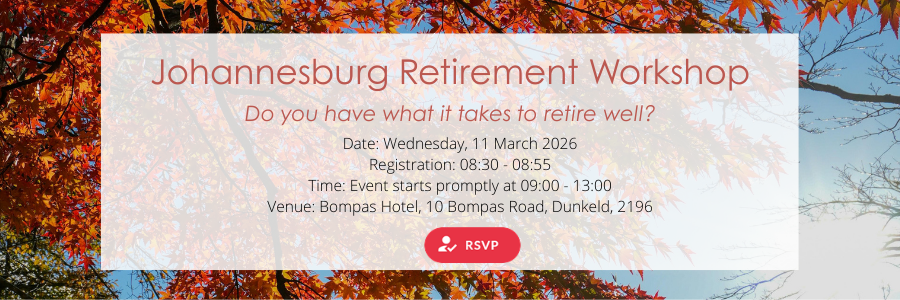
At our recent retirement workshop, someone said, "I cannot wait to get out of this toxic corporate job." Everyone laughed. But then someone else said, "I'm terrified of not working. What would I even do?"
This tension is worth exploring.
When you stop working, you lose more than income. You lose community. Those people who greet you every morning and notice when you're absent. You lose purpose, even if your job isn't deeply meaningful. You lose the chance to strive, the deadlines, goals, and opportunities to grow that feed your sense of competence. After decades, work becomes part of your identity, whether you want it or not.
Of course, not all work is good work. Some people are burnt out, depleted, desperate for change. But the answer isn't always to stop completely. The deeper need is often to work differently.
For many, retirement isn't an option because they can't afford it. Whether you can afford retirement or not, you may still want to review how you think about it.
Retirement is not simply freedom. It cannot be endless leisure. Retirement is your next career, and you must work on it. You must replace what work once gave you: community, routine, challenge, purpose, belonging. If you don't, your quality of life will likely deteriorate.
It means accepting that certain discomfort is required for a better quality of life. The question is: which discomfort do you want to live with?
Around midlife, many people start placing more emphasis on flexibility, time control, and work that feels meaningful. The question isn't only "How can I retire as quickly as possible?" A better question may be: "How can I extend my career in a way that's sustainable?"
Sometimes that means complete reinvention. More often, it means a few changes - fewer hours, less stress, or different responsibilities.
I face these questions too. I'm nearing retirement age, and I've been thinking about where my energy and strengths lie.
I still love meeting clients and potential clients. I love the strategic thinking and helping people wrestle with the big questions about their lives and their money.
But I've realised I'm not as sharp on the detailed work anymore. My team is better at it. Clients are better served when the right people do the right work.
Delegating is not easy. But it's necessary to make room for what I'm now uniquely good at. I also want to leave room to build a life outside of work, for the life I’ll continue when I do eventually retire.
I am fortunate to be able to continue working in my profession for years, even decades, adding the value of wisdom to my team and clients, and I plan to do so. However, as for everyone else, it asks me to think carefully about where my energy is best spent now.
For all of us, then, the goal is not the end of work. It’s not the moment our lives build up to. It's to build a later life with enough money, enough meaning, and enough connection to keep living well.
Ps: I love to hear your comments. If you are not on our mailing list, you can subscribe to receive this blog every week on our website www.foundationsa.com.
Kind regards,
Sunél